


“Tell me the landscape in which you live, and I will tell you
who you are.”
— José Ortega y Gasset
In the summer of 1988, Yellowstone National Park burned.
The fires started in the spring and didn’t end until the cold weather of fall. By then, it had become the largest wildfire in the park’s recorded history. The smoke reached us from sixty miles away. So did the ash.
What most people don’t know is how quickly the land responded. Fireweed appeared in the burned areas within days. Wildflowers followed in the first years after. The park didn’t wait to recover. It already knew what to do.
Ecologists call it a crown fire cycle. The forest burns, the ash enriches the soil, and within a few years, what comes back is more vital than what was there before. The land was cleaning itself. Making way.
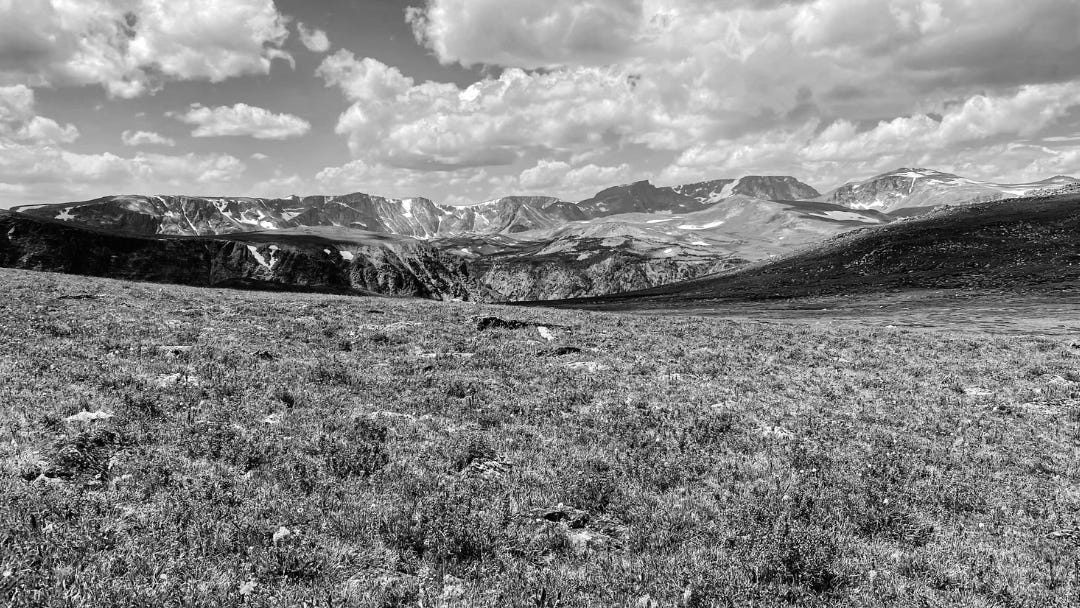
We had moved to Montana the summer before. I was nine years old, watching this happen from my new hometown.
What Terroir Actually Is
In wine, terroir is the idea that a grape’s character comes from more than the grape itself. The soil and the slope of the land shape what the wine becomes. Two vines on neighboring hillsides, of the same variety, can taste entirely different. Not because of the vine. Because of where the roots grew.
The concept has a human equivalent we don’t talk about often enough.
Some people arrive somewhere new and feel it in their body before they feel it anywhere else: this place is mine. Not reasoned into. Not chosen off a list. Recognized. Like you were already carrying the map, and someone just handed you the territory.
Somewhere I’d Never Been
Ten years ago, I traveled to Edinburgh for the first time.
I walked the Royal Mile and felt its pull before I understood why. The long sweep of the street, the energy of the people, the weight of the stone, with the Castle commanding the hill above it. I’d never been to Scotland. I’d never walked that street.
But something in me had. New yet already familiar.
In Zurich, it was different but the same. I was walking through the city when a stranger stopped me and started speaking in Swiss-German, certain I was local. Then it happened again. I have Swiss ancestry. My body apparently held something about that place before I arrived.
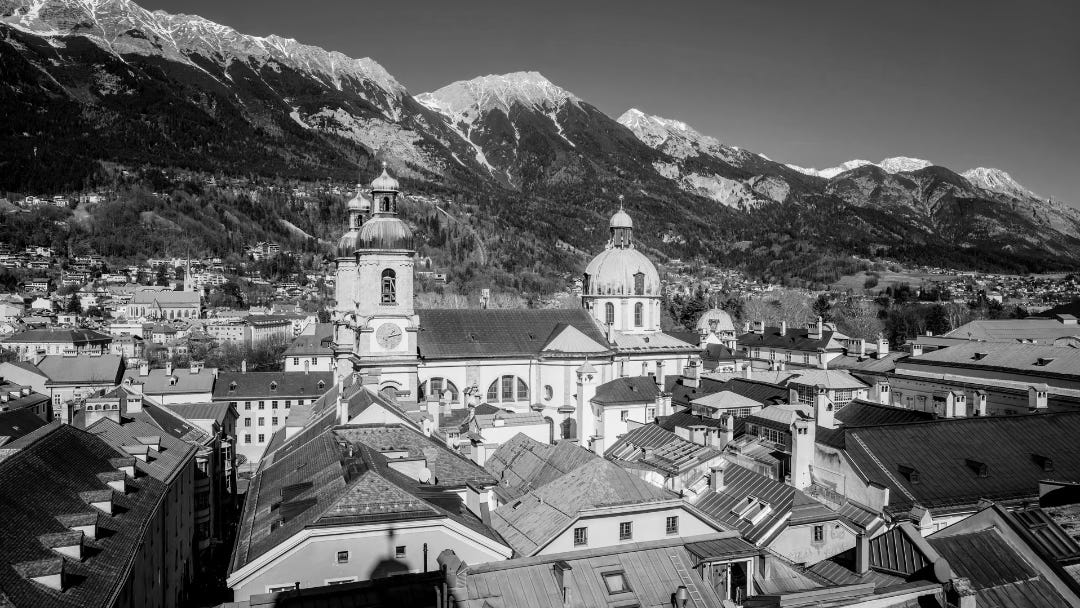
On that same trip, I traveled to Innsbruck, Austria. Standing there, I kept stopping. The scale of the mountains. The way the terrain made you feel small in a way that clarified instead of diminished.
The scale was different, but the feeling was Montana.
Norway
I haven’t been to Scandinavia.
My paternal great-grandmother was Norwegian. But there’s a pull toward that landscape that doesn’t come from genealogy or research. It lives somewhere more physical than that. A sense that if I stood in that particular light, on that particular terrain, something in me would recognize it the way I recognized Edinburgh.
I can’t confirm this. I haven’t gone yet.
But I’ve learned to trust the recognitions that live in the body before they have any evidence to stand on. That pull is itself a form of knowing.
The Coordinate: Notice
In the ENOUGH Principle, Notice means awareness before action. It’s the discipline of seeing clearly before you reach for an explanation.
What I recognized in Montana, Edinburgh, and Innsbruck didn’t come from reasoning. It came from paying attention to something the body already held.
That’s the Notice coordinate at its most elemental. Not thinking your way into belonging. Feeling it first, and trusting what you feel.
Ask yourself:
What place has your body recognized before your mind caught up?
Where do you feel most like yourself, and have you ever asked why?
What pull have you been explaining away instead of following?
What the Culture of More Gets Wrong
We treat belonging as something you build: the right city and the right life staged in a way that signals you’ve arrived.
But belonging isn’t always constructed. Sometimes it’s recognized.
This is scarcity versus sufficiency with place and identity.
Scarcity says: home is earned and chosen from a list of logical options. You belong where you’ve done the work to belong.
Sufficiency says: some belonging is already yours. The work is learning to notice it.
The land in Yellowstone already knew what it needed that summer. It had burned and renewed itself for centuries before anyone observed it. It didn’t need permission.
Neither do you.
A Small Practice
This week, think about the places where you’ve felt most like yourself. Not the most impressive ones. Not the ones you were supposed to love. The ones where something in you settled before you told it to.
Ask: What is it about those places that your body already knew?
You don’t need an answer. The noticing is the practice.
See you next week.
P.S. I'd love to know: is there a place you've visited for the first time that felt strangely like home? Or somewhere you've always been pulled toward without being able to explain it?